
















































Fashion in 2026: Where Style Meets Identity, Innovation, and Sustainability

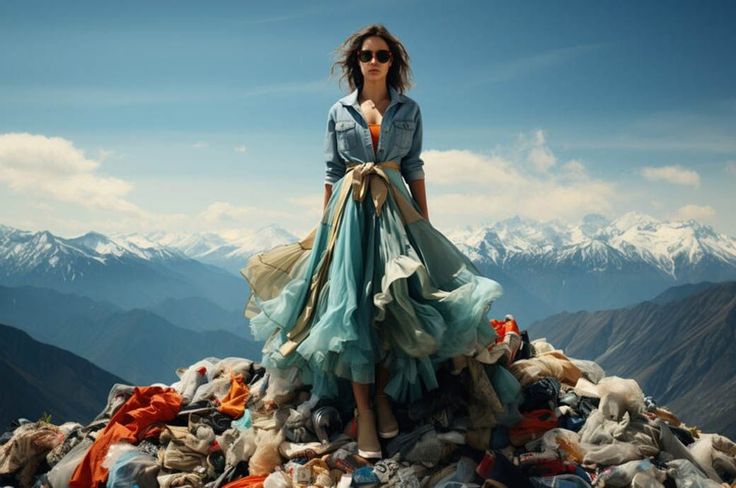
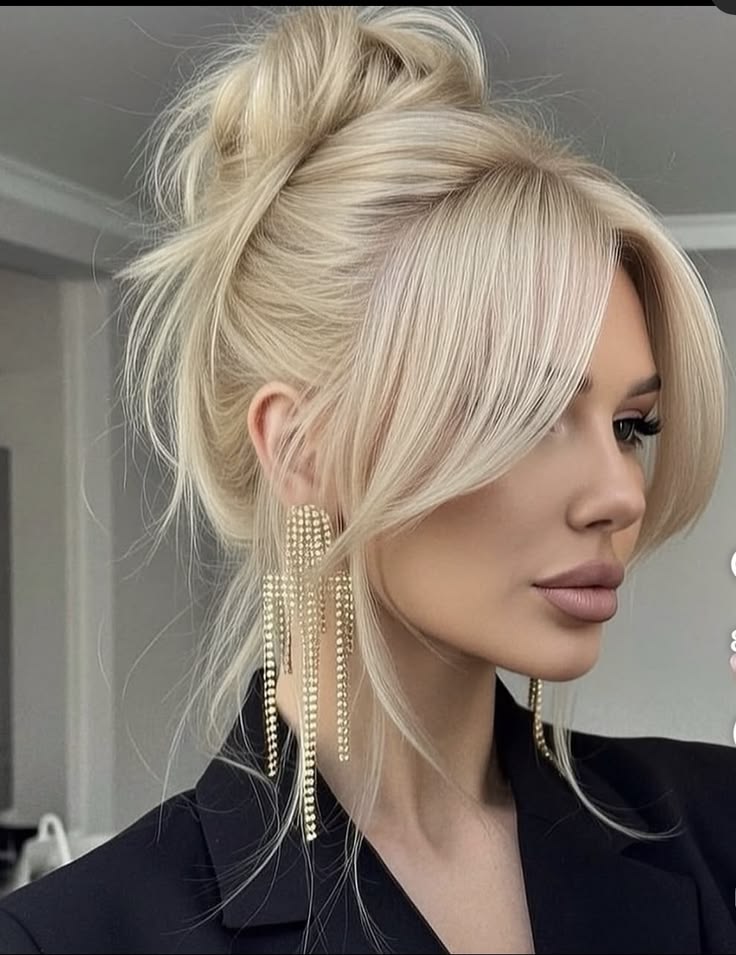
Fashion has always been a reflection of culture, but in 2026, it has become something deeper—an extension of identity. Today, what we wear is no longer just about looking good; it’s about expressing who we are, what we believe in, and how we see the world. The modern fashion landscape is being shaped by technology, sustainability, and a strong desire for individuality.
The Evolution of Personal Style
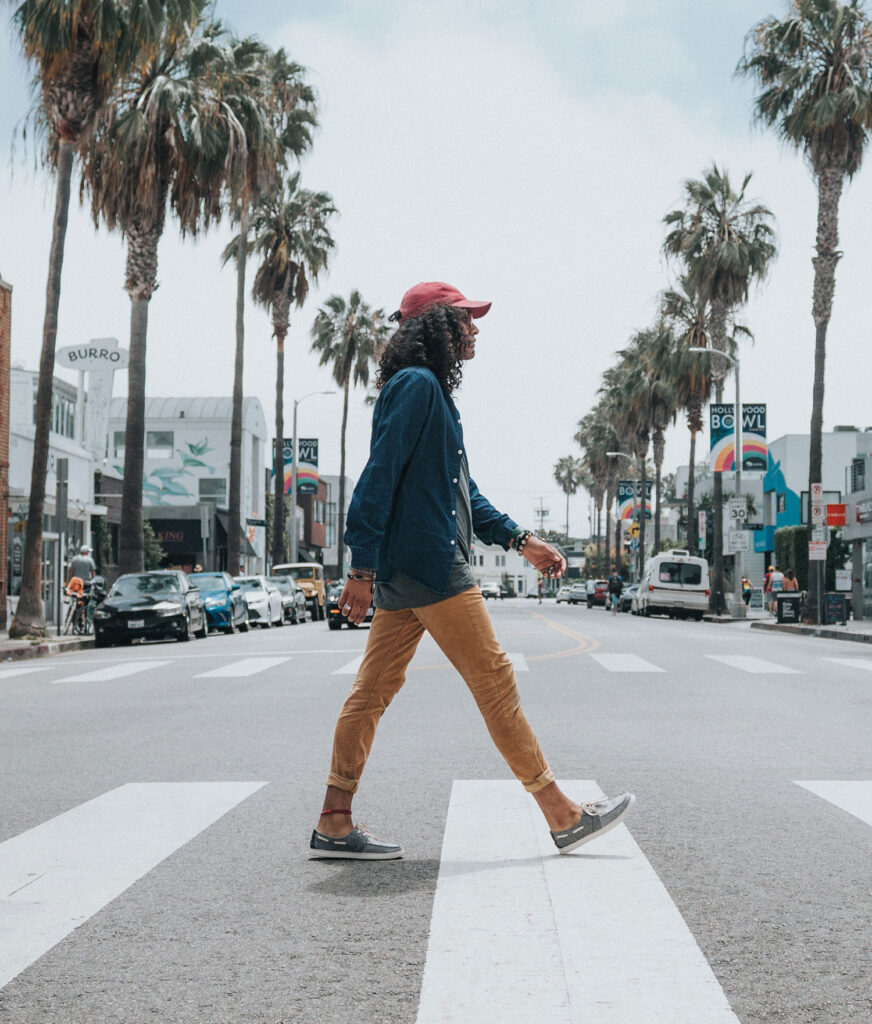
Gone are the days when fashion was dictated solely by designers and seasonal runways. Now, personal style is influenced by everyday people, digital creators, and global communities. Platforms like Instagram and TikTok have turned fashion into a fast-moving, interactive experience where trends are created, shared, and redefined within hours.
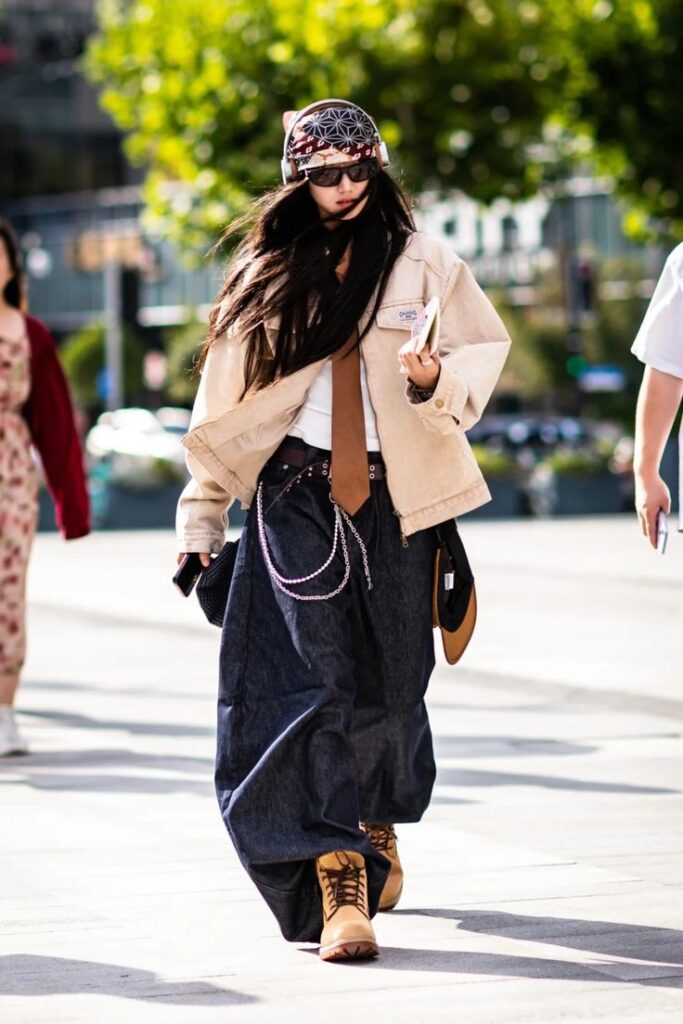
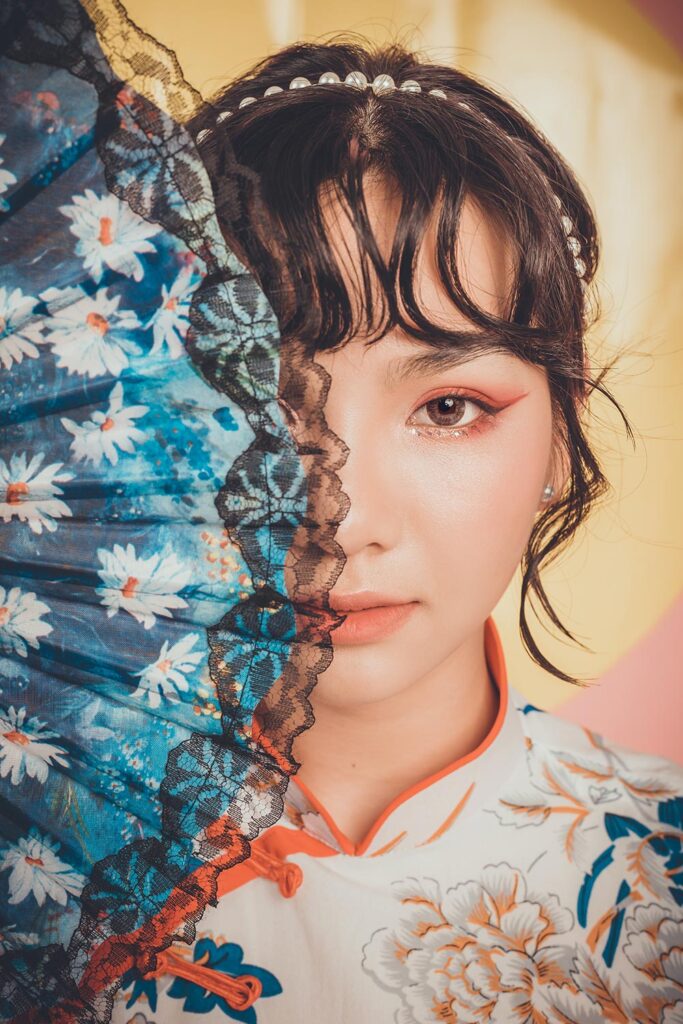
This shift has empowered individuals to experiment more freely. Whether it’s mixing vintage with modern pieces or blending streetwear with luxury, there are no longer strict rules—only creative possibilities.
Comfort is the New Luxury
One of the biggest transformations in fashion is the rise of comfort-driven style. People are choosing clothes that allow them to move freely while still looking polished. Relaxed fits, breathable fabrics, and versatile outfits are dominating wardrobes.
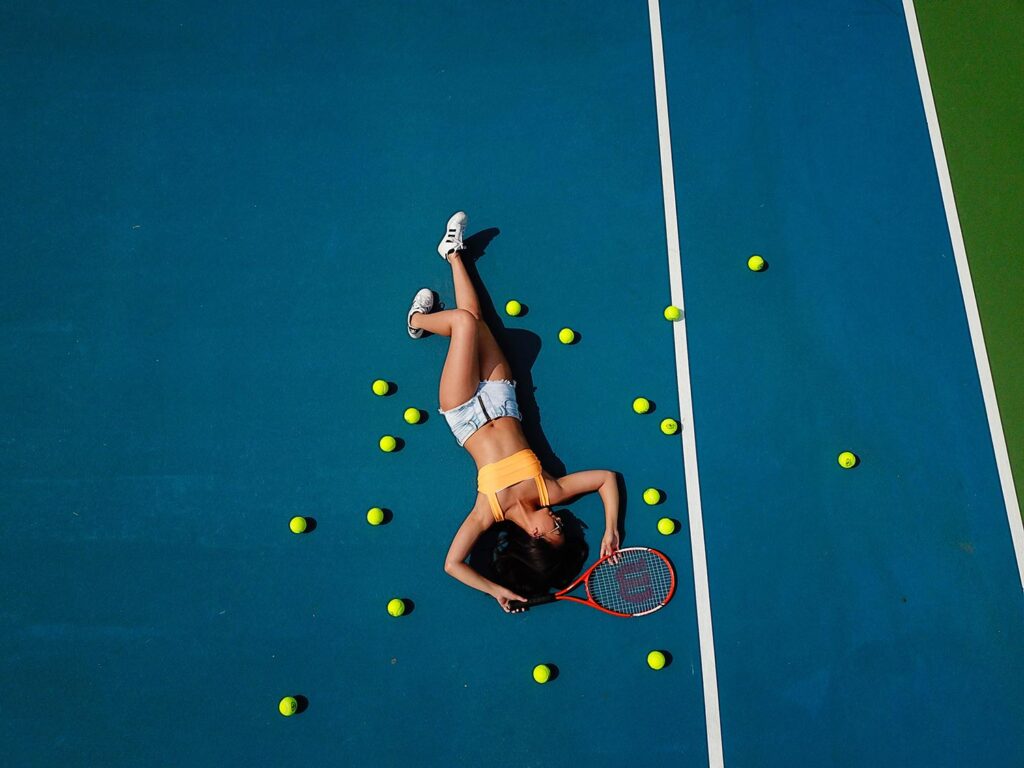
Athleisure, once considered casual wear, has evolved into a lifestyle category. Today, it seamlessly blends into workwear and social outfits, proving that comfort and elegance can coexist.
Sustainability: A Fashion Revolution
The fashion industry has faced increasing scrutiny for its environmental impact, leading to a powerful shift toward sustainability. Consumers are now more conscious about what they buy, prioritizing quality over quantity.
Eco-friendly fabrics, recycled materials, and ethical production processes are becoming standard. Brands are focusing on transparency, encouraging shoppers to make informed decisions. Investing in timeless pieces rather than fast fashion is now seen as both stylish and responsible.
Bold Expression Through Colors and Design
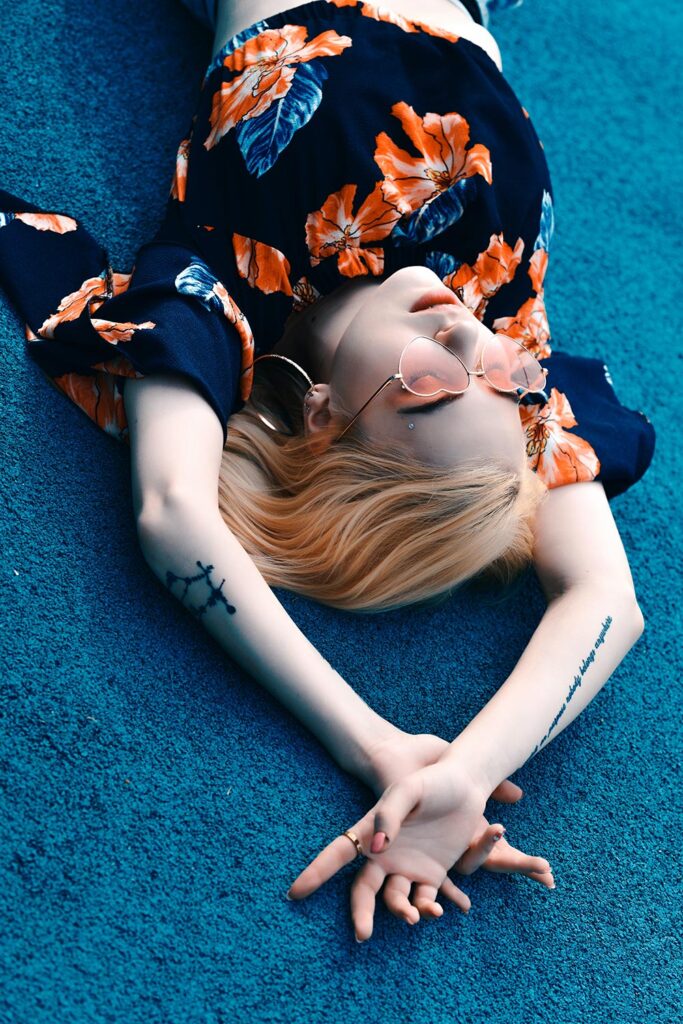
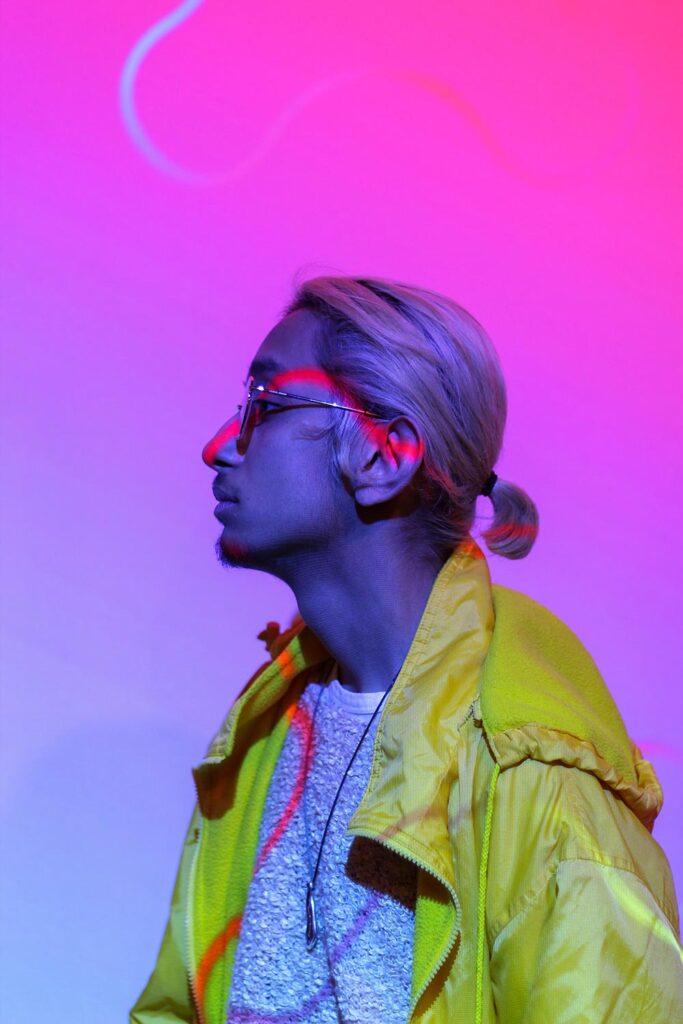
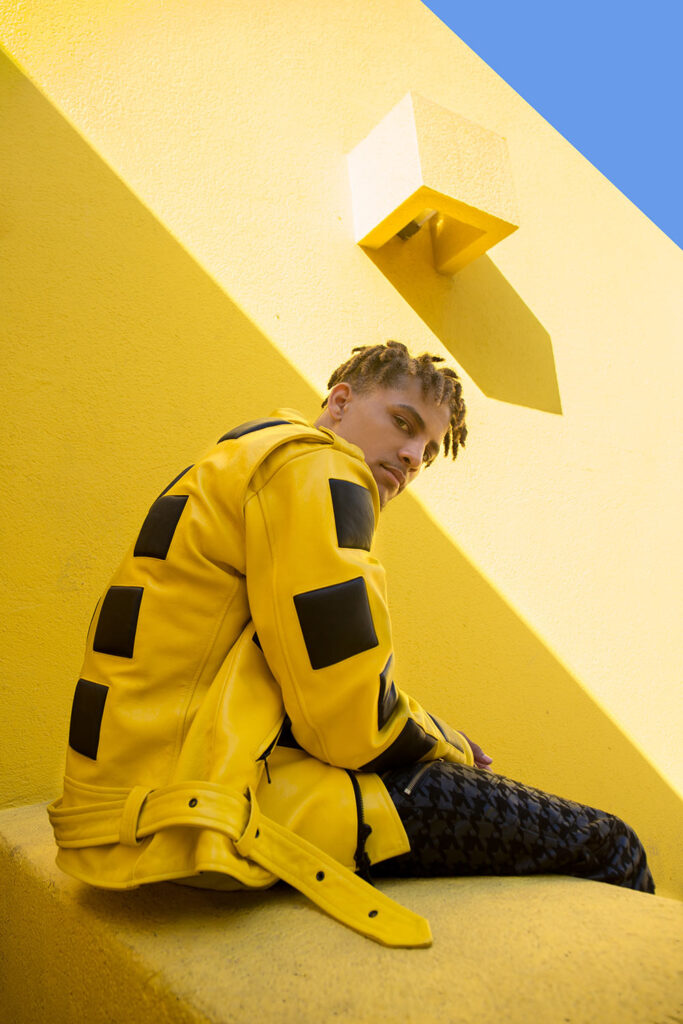
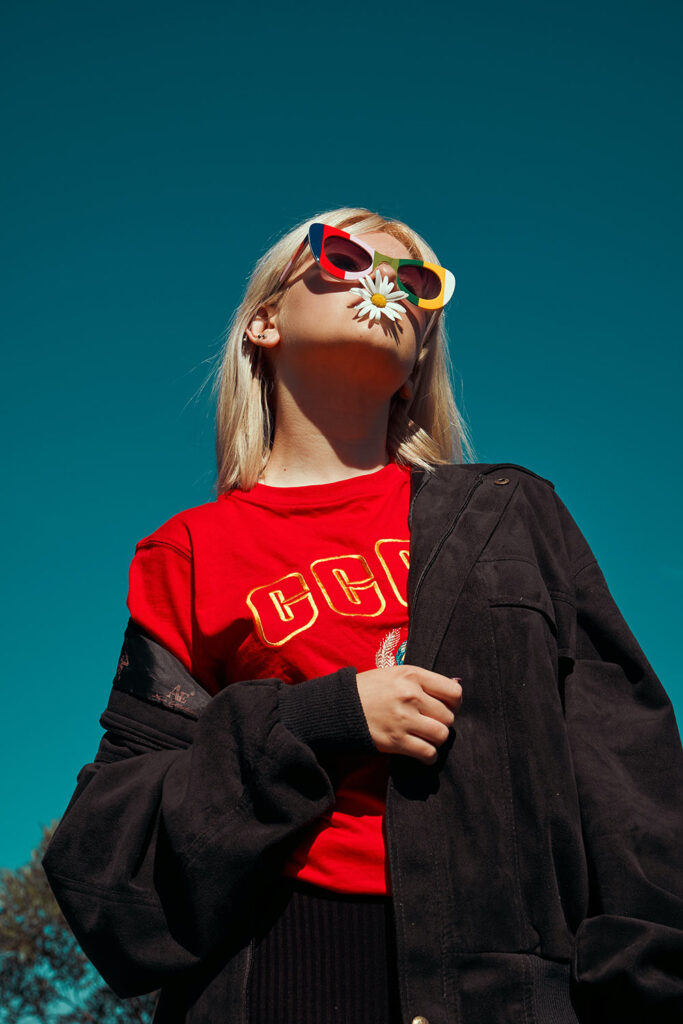
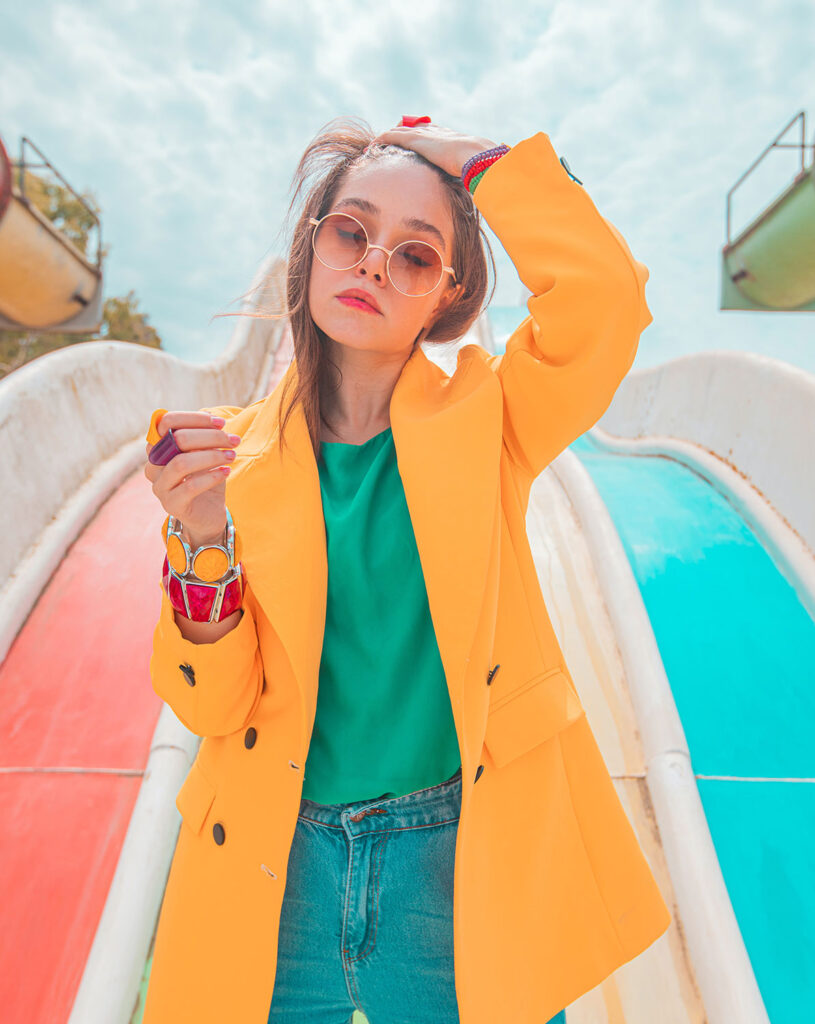
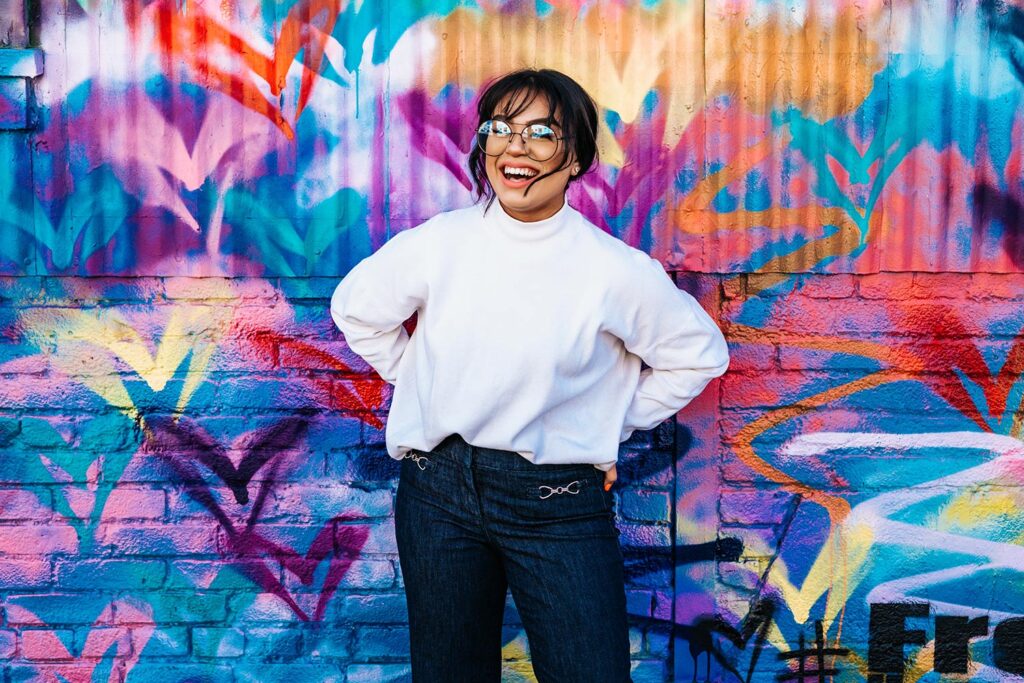
While minimalism still holds its place, bold colors and experimental designs are taking over the spotlight. Vibrant hues like neon green, cobalt blue, and deep orange are making strong statements in both casual and formal wear.
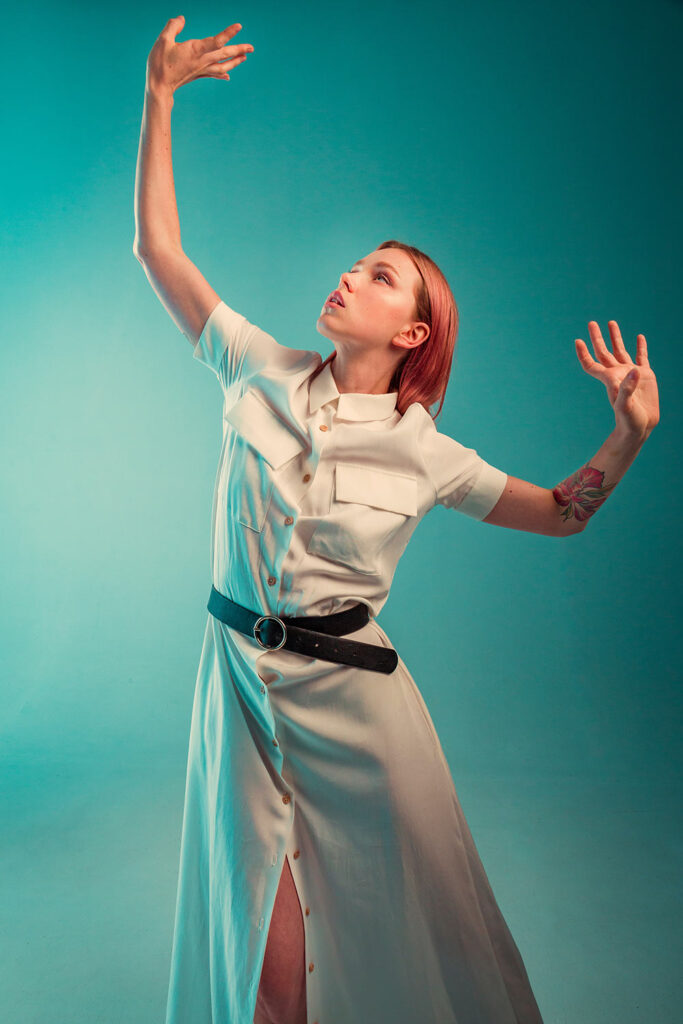
Designers are also pushing boundaries with asymmetrical cuts, layered textures, and oversized silhouettes. Fashion is no longer about fitting in—it’s about standing out.
The Rise of Gender-Fluid Fashion
Another defining trend of modern fashion is the move toward inclusivity and gender-neutral clothing. Traditional distinctions between men’s and women’s fashion are fading, making way for more versatile and inclusive designs.
This shift allows individuals to explore fashion without limitations, creating a more open and expressive environment where style is not confined by labels.
Technology and the Future of Fashion
Technology is playing a significant role in shaping the future of fashion. From virtual try-ons to AI-driven styling, the shopping experience is becoming more personalized and efficient.
Digital fashion—clothing designed for virtual spaces—is also gaining popularity, especially in online communities and gaming environments. This innovation shows how fashion is expanding beyond physical boundaries into the digital world.
Building Your Own Signature Style
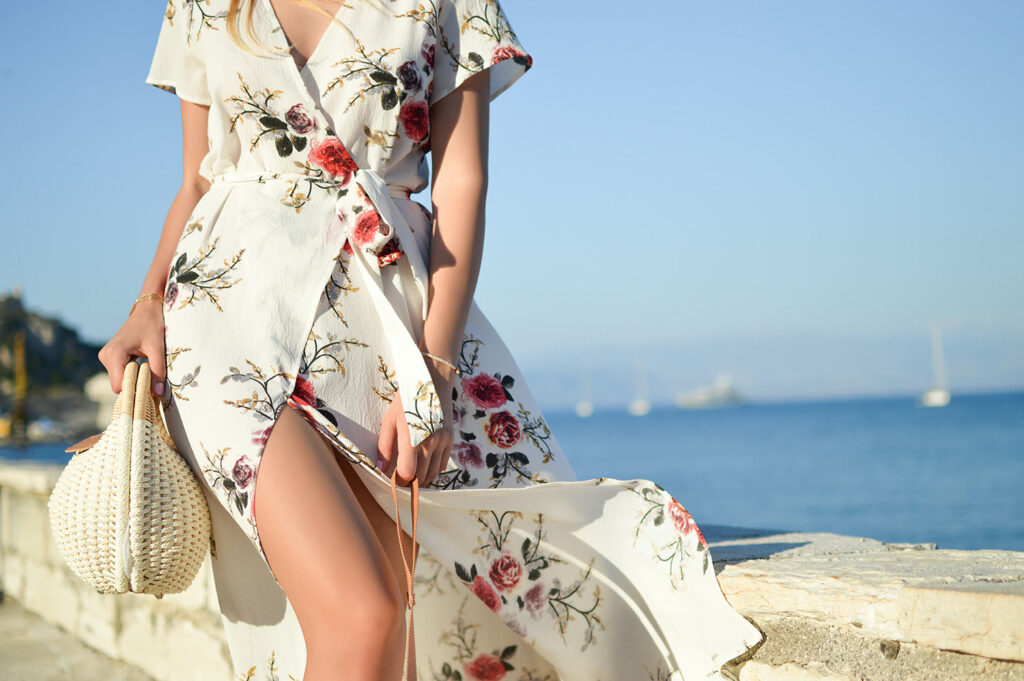
In a world full of trends, developing a personal style is more important than ever. The key is to focus on what makes you feel confident and authentic. Instead of following every trend, choose pieces that align with your personality and lifestyle.
Start with wardrobe essentials, experiment with statement pieces, and don’t be afraid to take risks. Fashion is a journey, not a destination.